
DAAG Brenna Jenny Warns Heightened FCA Enforcement Is “The New Normal,” Addresses Enforcement Priorities and Policies
During her keynote speech at the Federal Bar Association’s Qui Tam Conference, Brenna Jenny, Deputy Assistant Attorney General for the Commercial Litigation Branch, stated that robust FCA enforcement is “the new normal.” Key statistics, including those we discussed here, back her up: she revealed that DOJ has issued more than 1,000 Civil Investigative Demands (“CIDs”) in each of the last four years, noted that qui tam actions increased by 33% last year, and that 480 qui tam actions have already been filed so far in fiscal year 2026. She attributed this dramatic increase at least in part to enhanced data mining being conducted by DOJ and whistleblowers. Describing the FCA as a “flexible tool,” Jenny left no doubt that FCA enforcement will remain high even as she acknowledged that it is not “an all-purpose anti-fraud statute.”


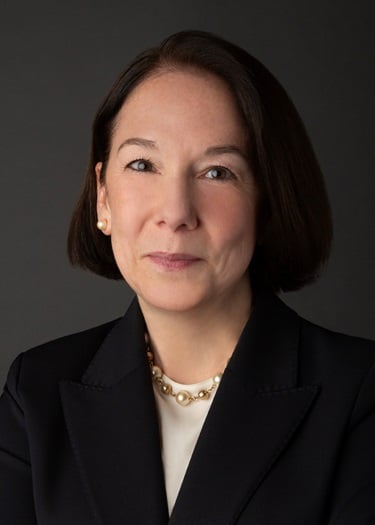


DOJ Attorneys Underscore Heightened Focus on Trade Fraud During the Annual Qui Tam Conference
Speaking as part of a panel at the Federal Bar Association’s annual Qui Tam Conference today, a Senior Trial Counsel at the Department of Justice (DOJ), Christelle Klovers, emphasized the government’s focus on pursuing trade and customs-based False Claims Act (FCA) cases. This area was also identified as a focus during the keynote address by DOJ’s Deputy Assistant Attorney General for the Commercial Litigation Branch, Brenna Jenny. In a separate speech last month, Jenny also highlighted a 50% increase in trade and customs-based FCA cases in 2025 compared to the prior five-year average, in what today’s panel called an “explosion” of trade and customs-related FCA cases.



DOJ’s New FCA Settlements Underscore Trump Administration’s Focus on Tariff and Customs Compliance
Two recent settlements involving imports from the People’s Republic of China (“PRC”) illustrate the U.S. Department of Justice’s (“DOJ”) commitment to rapidly stepping up enforcement against tariff evasion and customs fraud through the False Claims Act (“FCA”). As we covered here, tariffs have been central to the administration’s trade strategy, and DOJ’s growing use of the FCA as an enforcement tool in this space is expected to drive a significant rise in both whistleblower allegations and recoveries.