DOJ Attorneys Underscore Heightened Focus on Trade Fraud During the Annual Qui Tam Conference
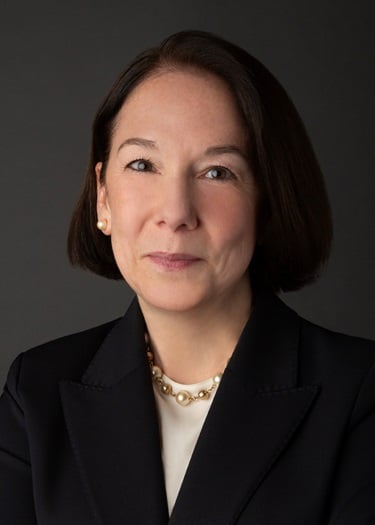
Speaking as part of a panel at the Federal Bar Association’s annual Qui Tam Conference today, a Senior Trial Counsel at the Department of Justice (DOJ), Christelle Klovers, emphasized the government’s focus on pursuing trade and customs-based False Claims Act (FCA) cases. This area was also identified as a focus during the keynote address by DOJ’s Deputy Assistant Attorney General for the Commercial Litigation Branch, Brenna Jenny. In a separate speech last month, Jenny also highlighted a 50% increase in trade and customs-based FCA cases in 2025 compared to the prior five-year average, in what today’s panel called an “explosion” of trade and customs-related FCA cases.
This enforcement focus is not surprising given the current administration’s expansive use of tariffs (which have often been imposed with little-to-no advance notice) and, given the potential financial impact of those tariffs, the likelihood for intentional or unintentional tariff evasion by companies and individuals.
Today’s panel also noted that the focus on FCA cases in the trade/customs area is not new, especially for the current administration. Indeed, in a keynote address at the Federal Bar Association’s annual Qui Tam Conference last year, DOJ’s Deputy Assistant Attorney General stated that DOJ intends to make “illegal foreign trade practices” a focus of FCA enforcement. At the same conference last year, the Director of the DOJ Civil Fraud Section identified customs and tariff evasion as a “key area” for enforcement, specifically referencing misconduct surrounding (1) “where a product is coming from,” (2) the product’s “declared value,” and (3) the “number of goods” involved.
In addition to the FCA trade risks, earlier this year DOJ’s Criminal Division included “[t]rade and customs fraud, including tariff evasion” as one of the top ten “high-impact areas” that the Criminal Division will prioritize in investigating. Additionally, the Criminal Division modified its Corporate Whistleblower Awards Pilot Program to attract tips, among other areas, related to trade, tariff, and customs fraud. Finally, DOJ’s Criminal Division updated its Corporate Enforcement and Voluntary Self-Disclosure Policy last year to make clear that it would provide more leniency in return for self-disclosures, including related to customs and trade fraud. With respect to this final point, Klovers noted during today’s panel that DOJ has already awarded credit to companies for timely disclosures, full cooperation, and appropriate remediation, resulting in a lower damages multipler in resolving FCA cases. Klovers also noted that DOJ is moving more quickly to reach resolutions in FCA cases, citing a case that was disclosed in February 2025 and resolved by July 2025.
Klovers also noted today that the increase in cases was, in part, due to the new Trade Fraud Task Force, which we discussed here, which has resulted in more qui tam cases, whistleblower complaints, and self-disclosures on trade and customs issues. As background, in August 2025, DOJ and the Department of Homeland Security announced their partnership on the cross-agency Trade Fraud Task Force to bring robust enforcement against parties that seek to defraud the United States. The Task Force also involves a partnership between DOJ’s Civil and Criminal Divisions. Today, Klovers explained that the Task Force strengthen preexisting coordination between these agencies. She also noted that the Task Force is mining available data to identify potential trade cases to pursue.
More specifically with respect to whistleblowers, Klovers stated that whistleblowers are increasingly companies—not individuals—that are using FCA actions to remedy competition problems with their competitors. Indeed, Klovers explained that this trend meant that more traditional FCA defense firms were representing companies as whistleblowers, which suggests potentially more sophisticated whistleblower alerts and qui tam counsel.
The takeaway from today’s conference is clear: Companies are (and have been) on notice of the current administration’s enforcement priorities on trade and customs matters and should be taking steps to enhance their trade compliance programs to minimize the likelihood that they become subject to tariff-related government investigations and enforcement actions.
This post is as of the posting date stated above. Sidley Austin LLP assumes no duty to update this post or post about any subsequent developments having a bearing on this post.